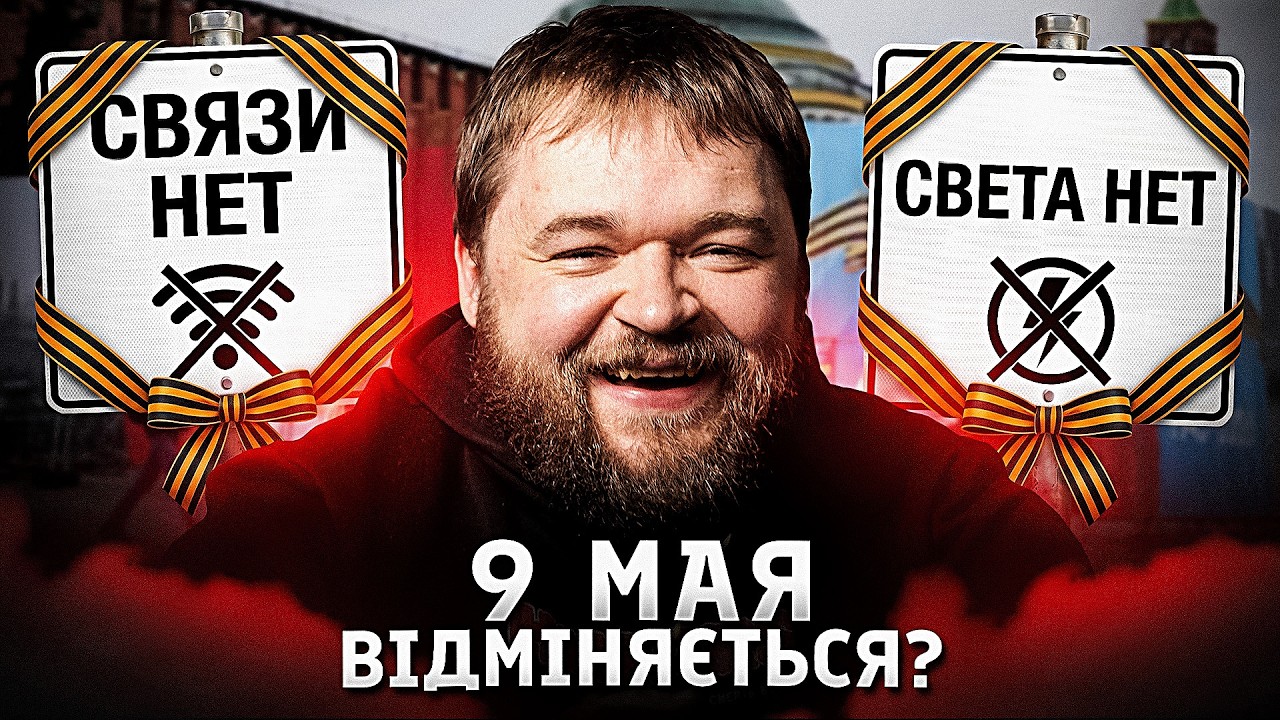
On May 9, Russia observed Victory Day in an unprecedentedly reduced format. Due to fears of further Ukrainian drone attacks, the federal authorities abandoned the traditional parade with military vehicles and the participation of cadets and military schools. Parades in 15 regions, including northern provinces, were cancelled. In Red Square, the event was limited to a simple march without equipment or festivities.
This change follows repeated attacks on oil refineries, depots, and other critical infrastructures carried out by Ukrainian drones. Experts estimate that in April 2026 alone, Russia suffered over $7 billion in direct losses, with oil refining volumes dropping to a 16-year low. Strikes affected sites in Krasnodar region, Bashkortostan, Nizhny Novgorod, Chelyabinsk, and other areas. The attacks have also caused environmental damage, such as oil spills into the Black Sea.
Against this background, the government is seeking to avoid large gatherings. The "Immortal Regiment" event has moved online. In many regions, especially Moscow and St. Petersburg, May 9 saw restrictions on mobile communications and internet access. Residents complain about service outages, business losses, and both teenagers and adults react negatively to the restrictions.
Another sign of crisis is eroding trust in authorities, with public disputes among state propagandists and admission of problems on official media channels. Regional governors have been accused of falsifying reports on the consequences of the attacks, fueling domestic tensions and criticism among the population.
Thus, the 2026 Victory Parade has become a reflection of Russia's systemic economic, ideological, and social crisis: infrastructure remains under attack, there is widespread fear of mass gatherings, trust in the state is declining, and social isolation is deepening. Experts note that the regime is losing control over the situation, as the effects of the war against Ukraine intensify internal strains.