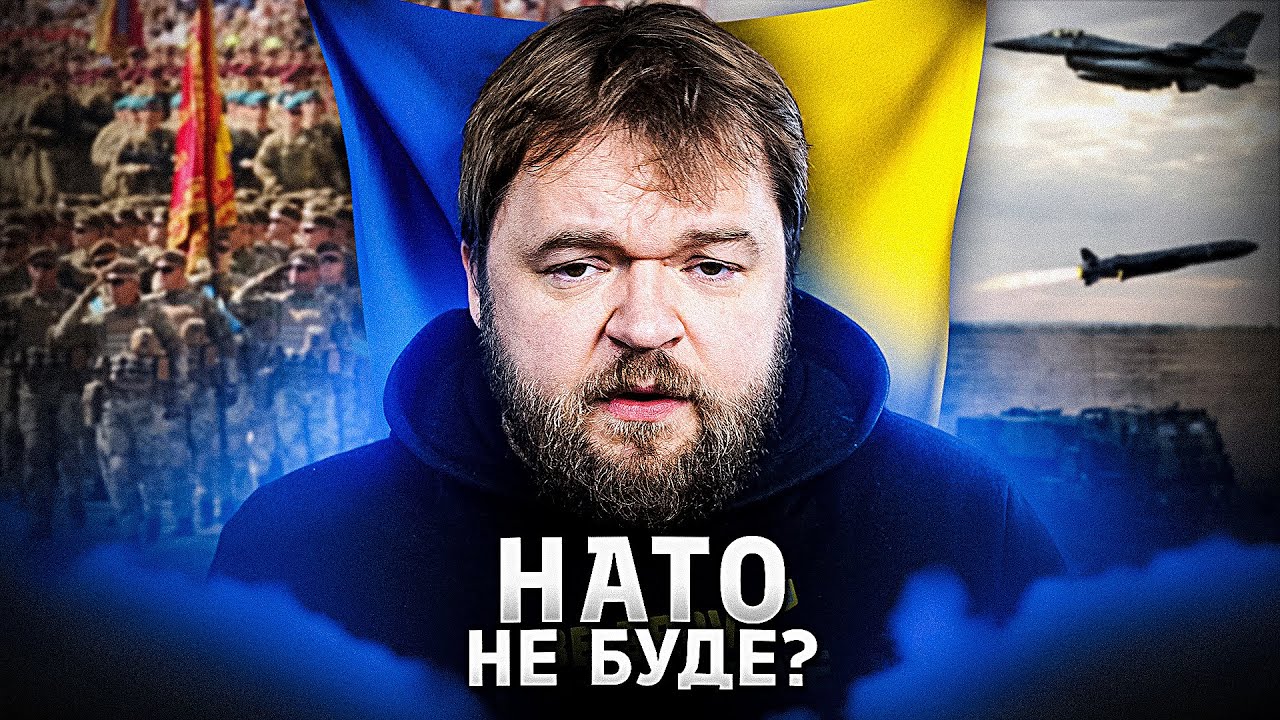
Recently, the "porcupine strategy" concept has become prominent in discussions about Ukraine's security. Ukraine's entry into NATO currently appears unlikely. The country has a strong army, prospects for modern weaponry, and is developing long-range missiles with support from partners like the UK and Germany.
Continuous challenges remain, such as defense funding and Western willingness to support Ukraine long-term. The speaker suggests American policy is driven by political cycles, and with shifting leadership, priorities may change. Regardless of these changes, the threat posed by Russian aggression endures. Russia seeks to deprive Ukraine of its economic, political, and military sovereignty—risks that persist even under compromise solutions.
In the long term, Russia aims to regain influence in the post-Soviet space and undermine European unity. The "porcupine strategy" involves maximizing Ukraine’s armament and making it a target too dangerous for Moscow to attack.
The West is advised to adapt its strategy, providing not only funding but also mutual security guarantees. The long-term focus should be on deterrence and fostering transformation in Russia, with initiatives supporting Russian minorities and social groups and creating a vision for decentralization to undermine Kremlin control.
Ukraine should continue reforms, stand firm on sovereignty, and contribute not just to its own security but to wider European stability. The need for sustained sanctions on Russia and the development of Ukraine’s military capabilities is also emphasized. Even without NATO prospects, the recommendation is for Ukraine to remain proactive and lobby for changes in Western security policy regarding Russian aggression.