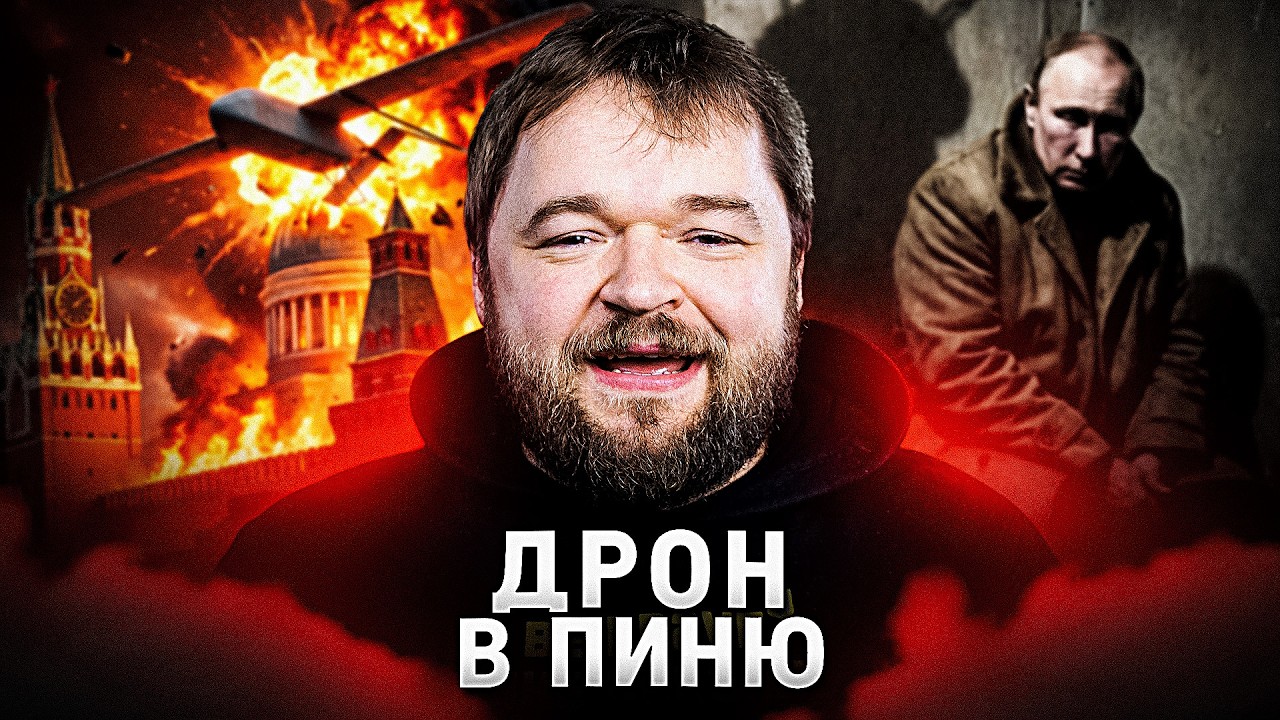
On the night of May 4, Ukrainian drones attacked central Moscow, targeting strategic Russian facilities. The strike demonstrated Ukraine's capacity to reach deep into Russian territory using modern UAVs.
According to sources, the attack used FP-1 FirePoint drones, which have proved effective at long distances. Experts note that drones are now being deployed by the Ukrainian side more frequently than cruise missiles as an efficient tool to disrupt Russian logistics, economy, and public morale.
Analysts emphasize Russia's heavy concentration of air defense in Moscow around May 9, which weakens coverage of other regions and allows Ukraine to strike various military and economic targets across the country. Ukraine estimates Russia's lost oil revenue at $7 billion.
There is increasing public discontent and declining government support in Russia, while Western intelligence reports that Russian leadership fears a coup. Media indicate that the president and inner circle have heightened security, restricting internet access, and paranoia is rising among the political elite.
At the same time, Ukrainian intelligence services are claimed to have become more effective, reportedly targeting and eliminating Russian generals and officials, deepening splits within the Russian leadership. Internal scandals and arrests for corruption at high levels add to governing challenges.
Ukraine continues to improve drone capabilities in field labs, ensuring flexible responses to changing frontline conditions and increased strike effectiveness. Meanwhile, Russia's leadership is forced into a defensive posture, struggling with its waning authority.
The situation points to a growing political crisis for the Kremlin amid military setbacks and elite dissatisfaction. Observers believe drone attacks and internal divisions could result in further upheavals for the Russian regime.