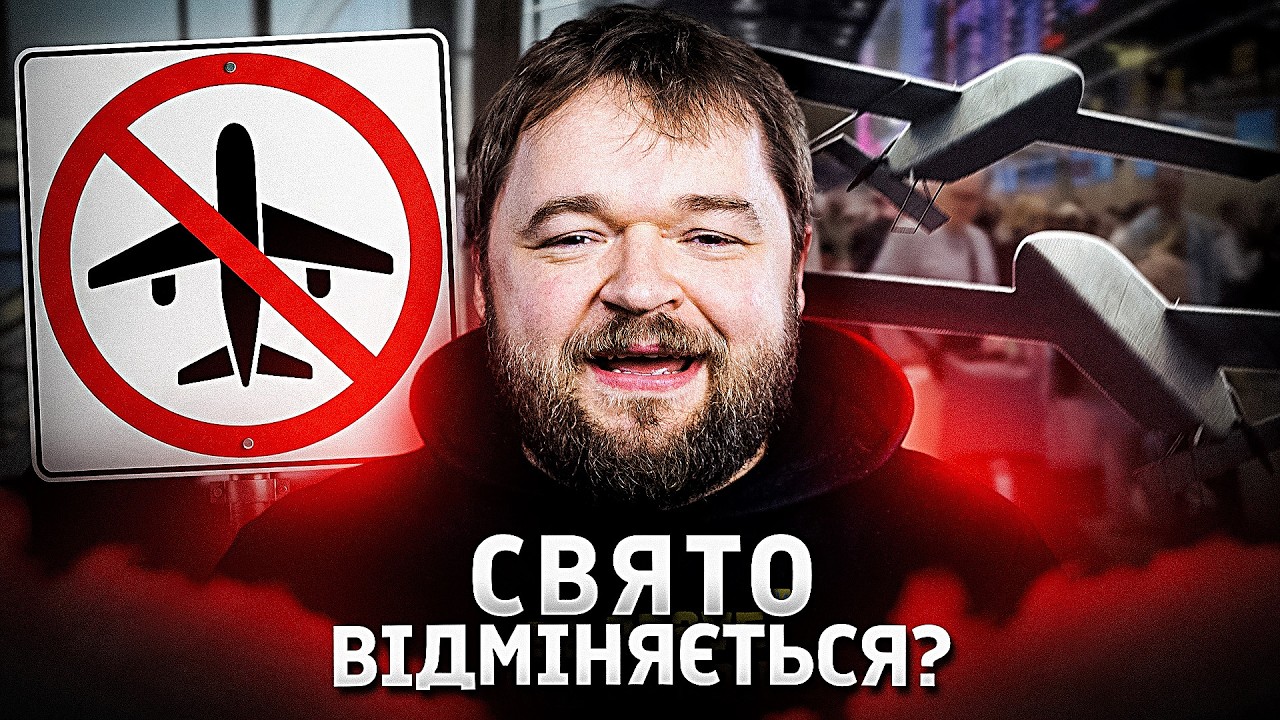
On the eve of May 9, Ukraine's main remembrance holiday, Ukrainian forces struck Russia’s southern air navigation infrastructure, halting operations at 13 airports including key resort and Caucasus locations. Dozens of flights were canceled, leaving thousands stranded at terminals and causing confusion among airport staff.
The main blow targeted the regional air traffic control center in Rostov-on-Don, which manages all southern Russian airspace. When drones hit the control equipment, flight management was incapacitated — flights became impossible, and the airspace was deemed unsafe without coordinated air traffic control.
This attack comes as Moscow prepares for its annual parade, which will feature tightened security, no heavy vehicles, and a shutdown of mobile internet in and around the city. Even critical services in the "white lists" such as banks, ride-sharing apps, and government portals will be inaccessible, affecting daily life in the capital.
Meanwhile, the Kremlin issued a statement expressing readiness for talks with the EU but insisted the first move must come from the European side, while the Russian Foreign Ministry declared negotiations with Ukraine are not a priority.
The incident highlights Moscow's growing vulnerability both militarily and diplomatically. The EU is working to develop its own autonomous position, while attacks on Russia’s infrastructure weaken its leverage in any potential talks. Experts emphasize the need to keep up the pressure and advance defense technologies to strengthen Ukraine’s and its allies’ negotiating power.