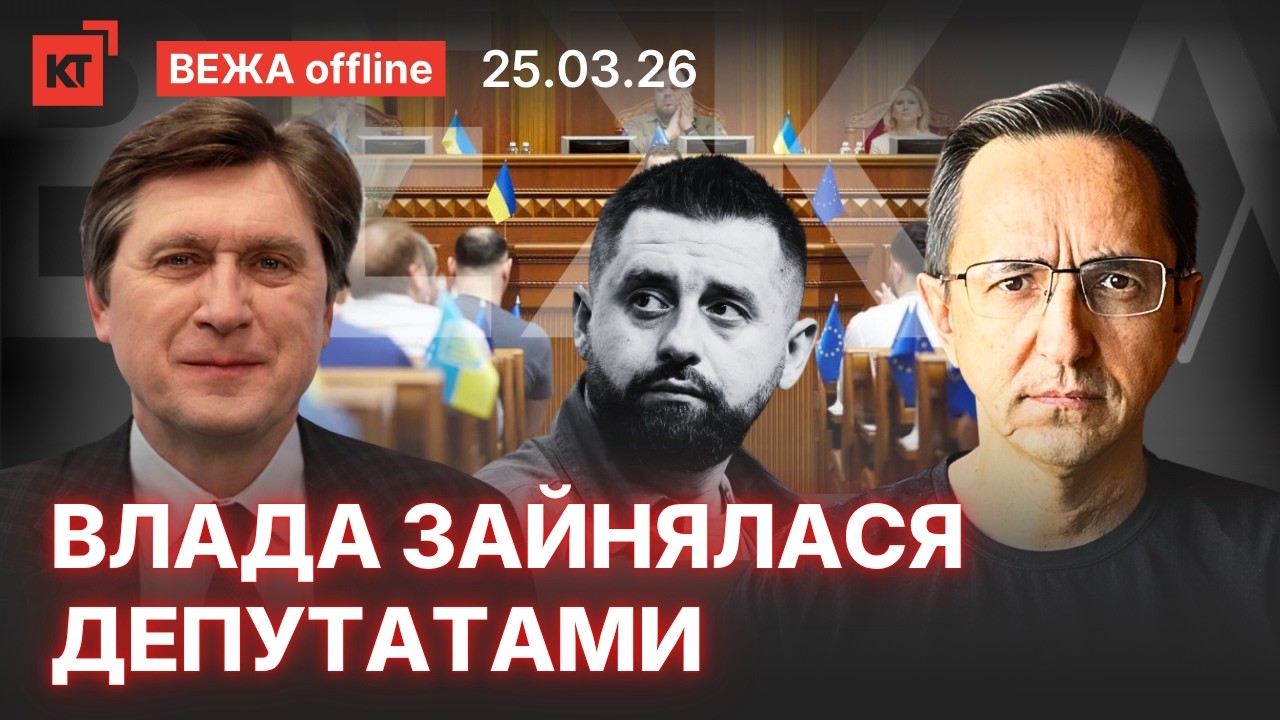
On September 25, at the Center for Public Analytics "Vezha," political analyst Volodymyr Fesenko discussed recent developments in the European Union's approach to sanctions against Russia and how these decisions impact Ukraine. He noted that the European Commission is currently refraining from new decisions to ban Russian oil due to complicated energy markets and developments in the Middle East. However, this does not indicate a strategic change in the EU’s sanction policy towards Russia.
Fesenko stressed that rising energy prices have forced European countries to adjust their approaches to oil and gas imports, but the key planned restrictions are expected to remain in place at least until 2026-2027. On a strategic level, the EU does not intend to abandon its sanction policy, although temporary adjustments for liquefied natural gas are possible.
The discussion highlighted the dilemma within Europe between economic interests and security concerns in relations with Russia. According to Fesenko, there may be an increase in political voices within the EU in favor of a more pragmatic approach to Russia, but official mainstream policy remains to support Ukraine and deter Russian aggression.
Fesenko paid particular attention to Ukraine's prospects for European integration, noting the dual position of support and restrictions due to the EU’s consensus decision-making mechanism and internal political challenges within EU countries. While there is a potential risk of reduced support in the future, for now, the support is expected to continue.
In conclusion, Fesenko advises Ukraine to prepare for different scenarios, remain adaptable, and focus on fulfilling obligations to advance on the path toward European integration.