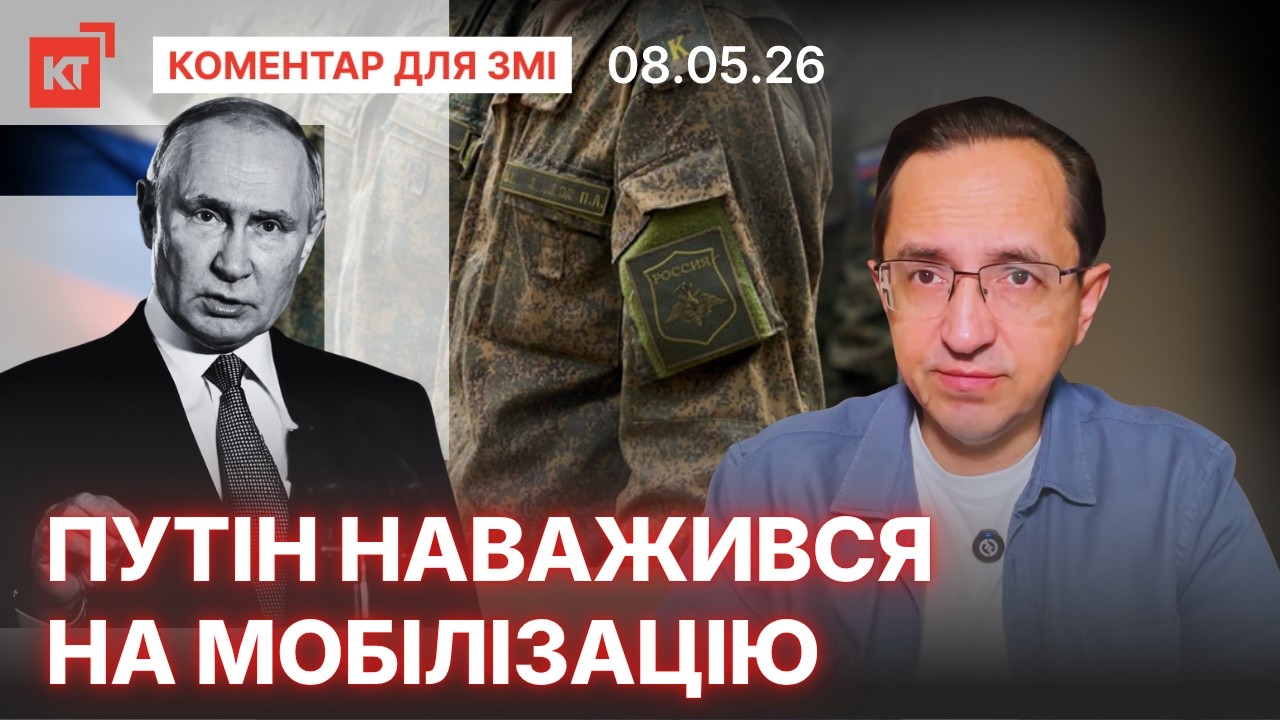
Russia has officially announced it will no longer engage in talks with Ukraine via Donald Trump’s mediation. Kremlin aide Yuri Ushakov stated: “Until you withdraw your troops, there’s nothing to discuss.” The announcement underscores Moscow’s rigid stance against negotiations without Ukrainian concessions.
Analysts highlight that Russia has long avoided equal negotiations with Kyiv, never truly acknowledging Ukraine as an independent negotiator. This is reflected in ongoing border disputes and Moscow’s heavy economic presence in Ukraine prior to the full-scale invasion.
Amid escalating tensions within Russia, amplified by propaganda related to Victory Day (May 9), Moscow continues informational pressure, including nuclear threats, and appeals directed toward the West. These are seen as attempts to shape European positions on Ukraine through fear and negotiation pressure.
The Kremlin’s reluctance to work with mediators and efforts to cut Ukraine off from its western partners remain clear. However, experts suggest that substantial shifts in Russia’s approach are possible only if internal changes occur within its political regime.
Russia’s influence is further eroded by key partners’ reluctance to participate in Moscow’s celebrations. This is especially visible in the cases of Armenia and Azerbaijan, where Moscow has recently suffered foreign policy setbacks.
While Russia continues to threaten Europe and stage information campaigns to create an impression of escalation, analysts believe that a full-scale mobilization could prove fatal for Putin’s regime, potentially triggering severe domestic unrest and destabilization.