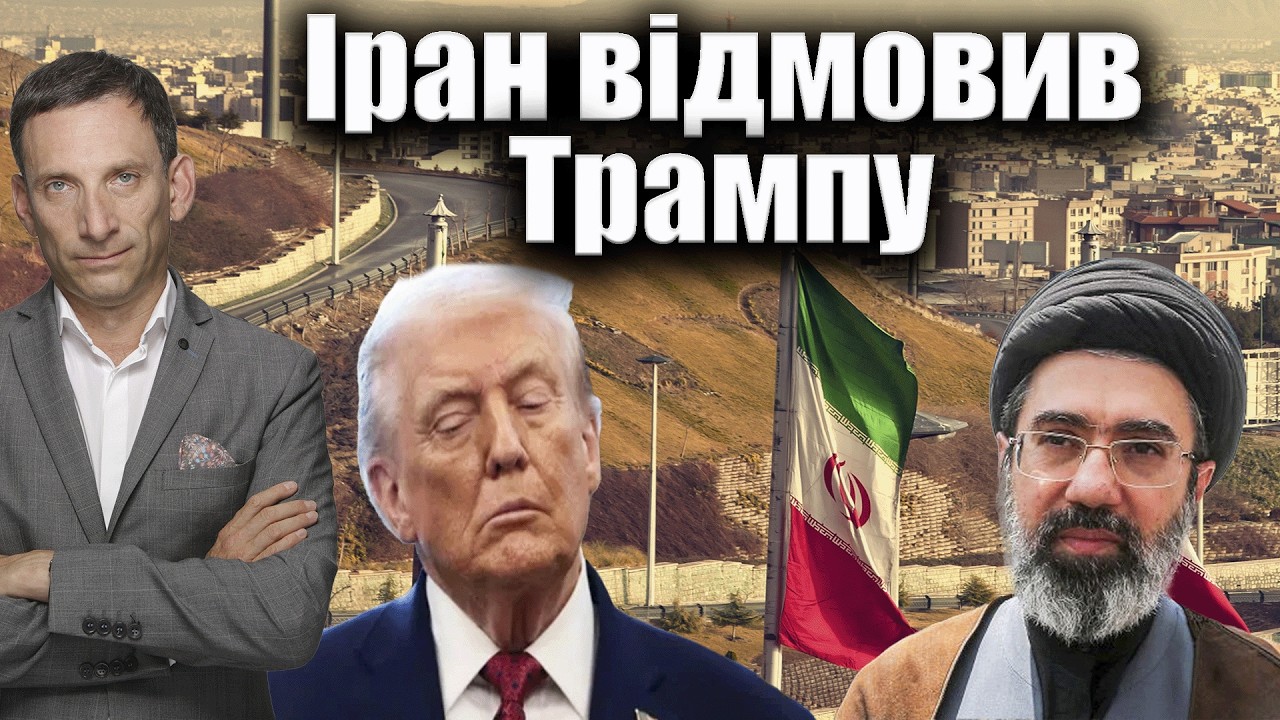
Iran has refused US proposals for negotiations in Pakistan, informing the Pakistani government that it cannot accept conditions allowing the Iranian regime to remain and receive US assistance for nuclear energy under the restriction of not developing nuclear weapons. Instead, Iran issued its own demands, which appear to be a plan for US capitulation.
While Trump’s conditions at least indicated some basis for bilateral dialogue, Iran’s demands seem ultimatum-like. They require the US to recognize aggression against Iran, pay reparations, guarantee non-aggression, and offer security for the Lebanese organization Hezbollah.
The US proposals included Iran ceasing to support terrorist proxies destabilizing the Middle East, but both sides remain in fundamental disagreement over solutions for the region. The main question is whether the Trump administration genuinely wanted an agreement with Iran or only paused hostilities to prepare for further military operations.
Iran threatens further strikes on key Israeli and Gulf energy targets if the US acts, leading to possible involvement of the UAE and Bahrain in the conflict.
The conflict in the Middle East is creating ongoing economic, energy, and geopolitical risks worldwide. Domestically, the US political climate is also heating up ahead of the 2026 elections, influencing Trump administration decisions.
Escalation in the Middle East has direct repercussions on the war in Ukraine, impacting the negotiation process and increasing pressure from US intermediaries.
Overall, continued escalation threatens global economic stability and could shift the balance of power in international politics.