This March, tensions around Iran and the blockade of the Strait of Hormuz sharply impacted the global oil market. Under Donald Trump, the US launched a military operation, driving oil prices up and increasing regional volatility.
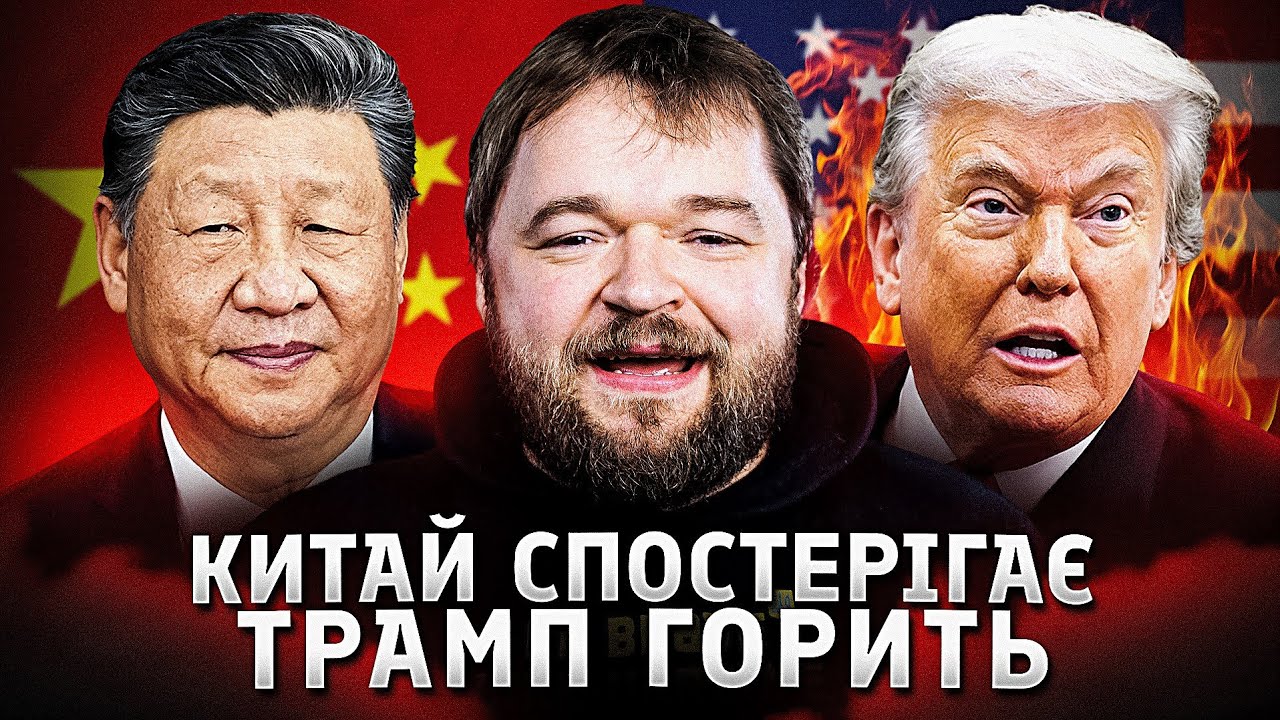
In response, Trump called on countries like China to send military ships to open the strait. Despite importing a substantial share of its oil from the region, China refrained from direct involvement, instead advocating for peace and diplomacy. Beijing's official stance was a call for ceasefire and de-escalation.
This approach benefits China: it receives discounted Iranian oil, with Chinese-flagged tankers permitted to pass while others are delayed. With significant oil reserves, China can avoid entanglement in conflict, minimizing both political risk and potential losses.
This tactic allows Beijing to maintain its position as a mediator in both regional conflicts and trade disputes. Meanwhile, US intervention in the region provides China with strategic space to maneuver in the Indo-Pacific and in relations with the United States.
Last year's US-China trade war saw tariffs on Chinese goods raised and American exports to China restricted. Simultaneously, China quietly imposed an embargo on rare earth metals key to US industries, furthering its leverage in global supply chains. A ceasefire did little to change the core dynamics.
For China, a hands-off approach in the Iran crisis is a rational strategy, maximizing benefit while minimizing risk and keeping its advantageous neutral status. The US, on the other hand, must adapt its policy, as top players like China refuse direct engagement.